

-
Categories
-
 APPARELS
-
 CERAMICS
-
 CHEMICALS
-
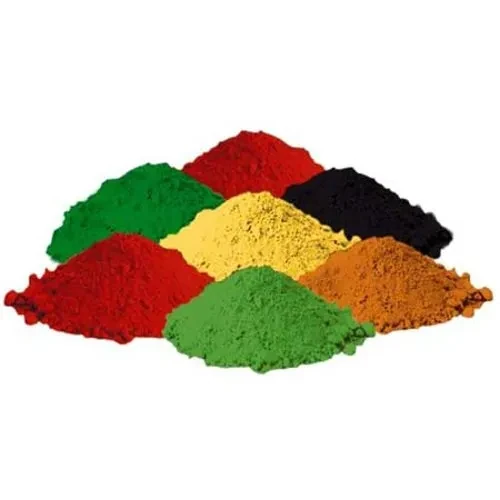 DYES
DYES
-
 ELECTRICAL
-
 FURNITURES
-
 HOUSE HOLD TEXTILES
-
 INDUSTRIAL CONSUMABLES
- Stainless Steel Stud
- Stainless Steel Stud
- Stainless Steel Bolt
- Stain Steel Washer
- Industrial Lifting Machine
- Cable Extruder
- GG Winding Wire
- GG Sheathed Cables Wires
- Bearing Puller
- Machine Oil
- Metal Cutting Machine
- Barrel Spring Manufacturers
- Stainless Steel Screw
- Stainless Steel Rod
- Screws
- Camphor Tablet Making Machine
- Wax Candle Machines
- Automatic Candle Making Machine
- Tea Light Candle Machines
- GG High Voltage Harnesses
- GG Twisted Cables
- Activated Carbon
- Granular Activated Carbon
- Pelletized Activated Carbon
- Tension Spring/Extension Spring
- Powdered Activated Carbon
-
 INDUSTRIAL ITEMS
- Automatic Auger Filling Machine
- Namkeen Packaging Machine
- Fully Automatic Oil Extraction Machine
- Hydraulic Power Pack
- Platform Trolley
- Hand Trolley
- Electrofusion End Cap
- MDPE Plastic Pipes
- Power Duct Pipe
- PLB Duct Pipes
- Gas Distribution HDPE Pipe
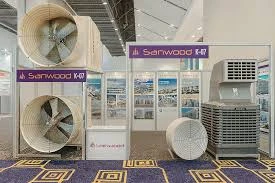
- Industrial Exhaust Fan
- Paper Plate Making Machine
- Ladder Trolley
- Wire Mesh Cable Tray
-
- Home
- About Us
- Help Topic
-
Brand
-
( 1 )
-
( 3 )
-
( 2 )
-
( 1 )
-
( 3 )
-
( 4 )
-
( 7 )
-
( 3 )
-
( 3 )
-
- Contact Us
- Blogs
- Discounted products
- Logo
- Sign in
- Sign up